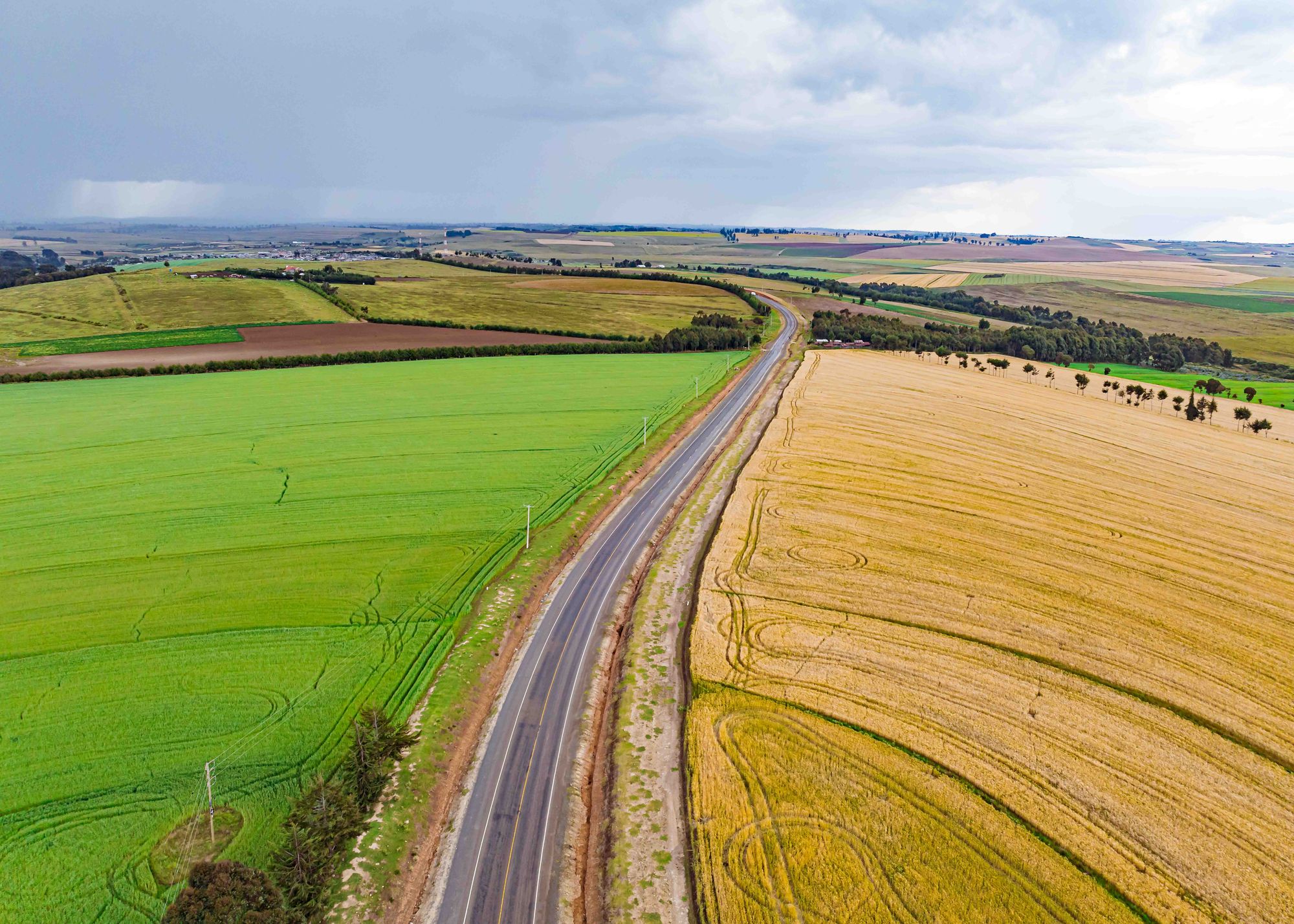
How Local African NGOs Can Access Climate Finance
A plain language guide to climate finance for local organisations in Africa: where the money sits, how it flows, and the practical steps to position your work for adaptation and nature funding.
Begin the storyClimate finance is one of the fastest growing pools of development money, yet only a small share reaches local organisations working closest to the communities facing climate impacts. The money is complex, the language is technical and the gatekeepers are many. Understanding how it flows is the first step to getting a share of it.
The short version
- 01Climate finance mostly flows through accredited intermediaries.
- 02Reframe existing work in clear adaptation and resilience terms.
- 03Build relationships with partners before calls open.
- 04Strong fiduciary and safeguarding systems are the entry ticket.
Understand where the money sits
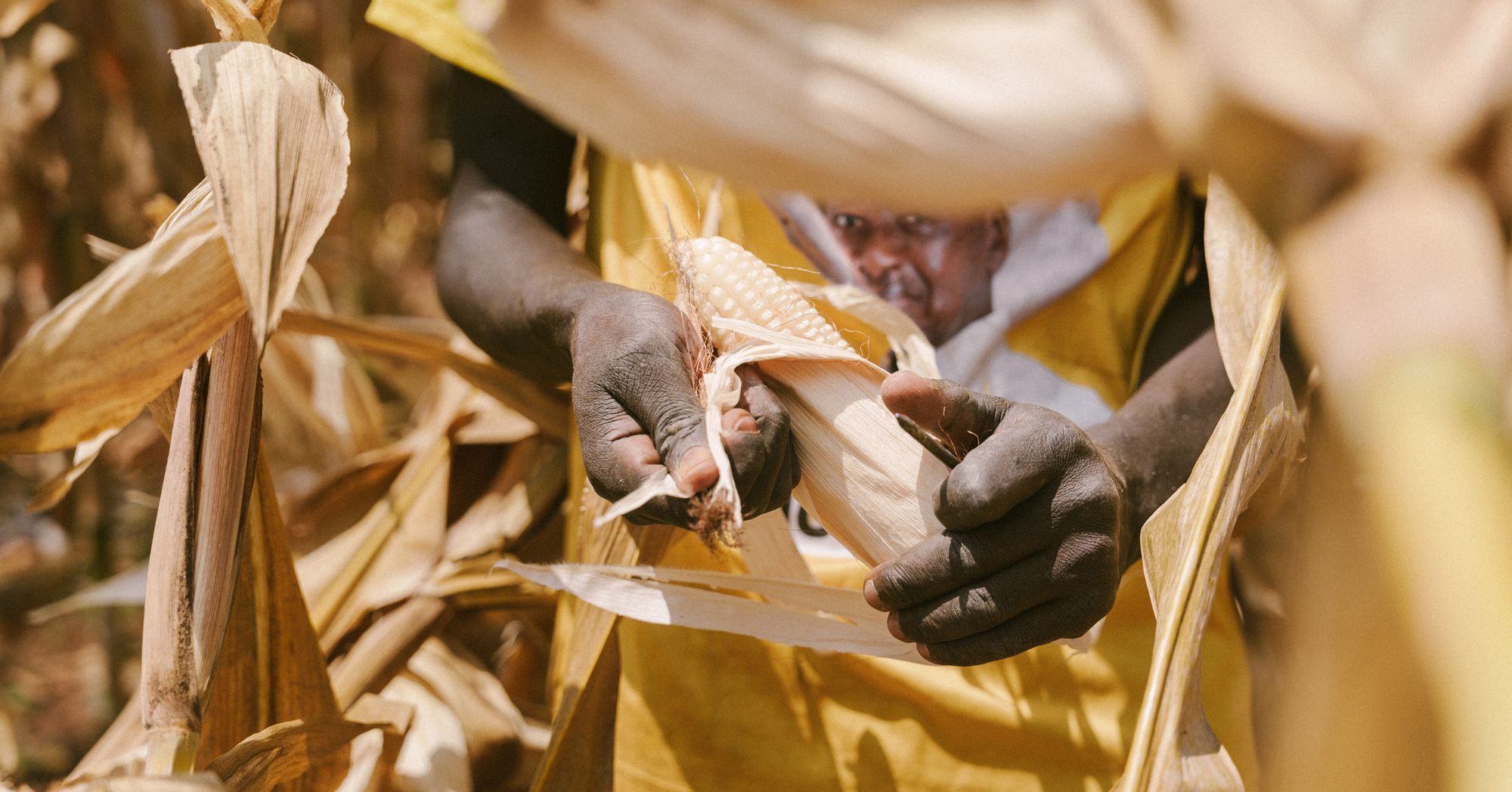
Climate finance flows through several channels: multilateral climate funds, bilateral donors, development banks, national governments, private foundations and, increasingly, carbon and nature markets. Most large funds work through accredited entities such as governments, UN agencies and big international organisations, so local organisations often access the money as partners or sub grantees.
Map the funds active in your country and sector: which accredited entities they work through, what they fund and how often calls are published. This map shows where your organisation could realistically fit in the next one to three years.
Speak the language of adaptation and resilience
Much of your existing work may already be climate work. Water security, drought resilient farming, health systems, livelihoods, mangrove and forest protection all contribute to adaptation. Reframe it clearly: what climate risk does the community face, how does your work reduce vulnerability, and what evidence shows it works?
- Link your work to your country's national climate plans and adaptation priorities.
- Use climate risk information from credible public sources.
- Show how communities, especially women and youth, shape the design.
Use the language of risk and vulnerability carefully and accurately. Describe the climate hazards communities face, the effect on lives and livelihoods, and how your work reduces that vulnerability. Draw on national climate plans and county plans to show alignment with government priorities.
Reframe your work as adaptation
Much of your work may already be climate work. Tap to see it reframed. Illustrative example.
We run a farming programme in Makueni.
Longer droughts threaten food security in Makueni. We help smallholders adopt drought tolerant crops and water harvesting, reducing crop loss in dry seasons.
Name the climate risk, how you reduce vulnerability and the evidence.
We drill boreholes.
As rains become less predictable, we secure year round water for pastoralist communities and their livestock.
Water security is adaptation.
Climate finance mostly flows through accredited intermediaries.
Find your route in
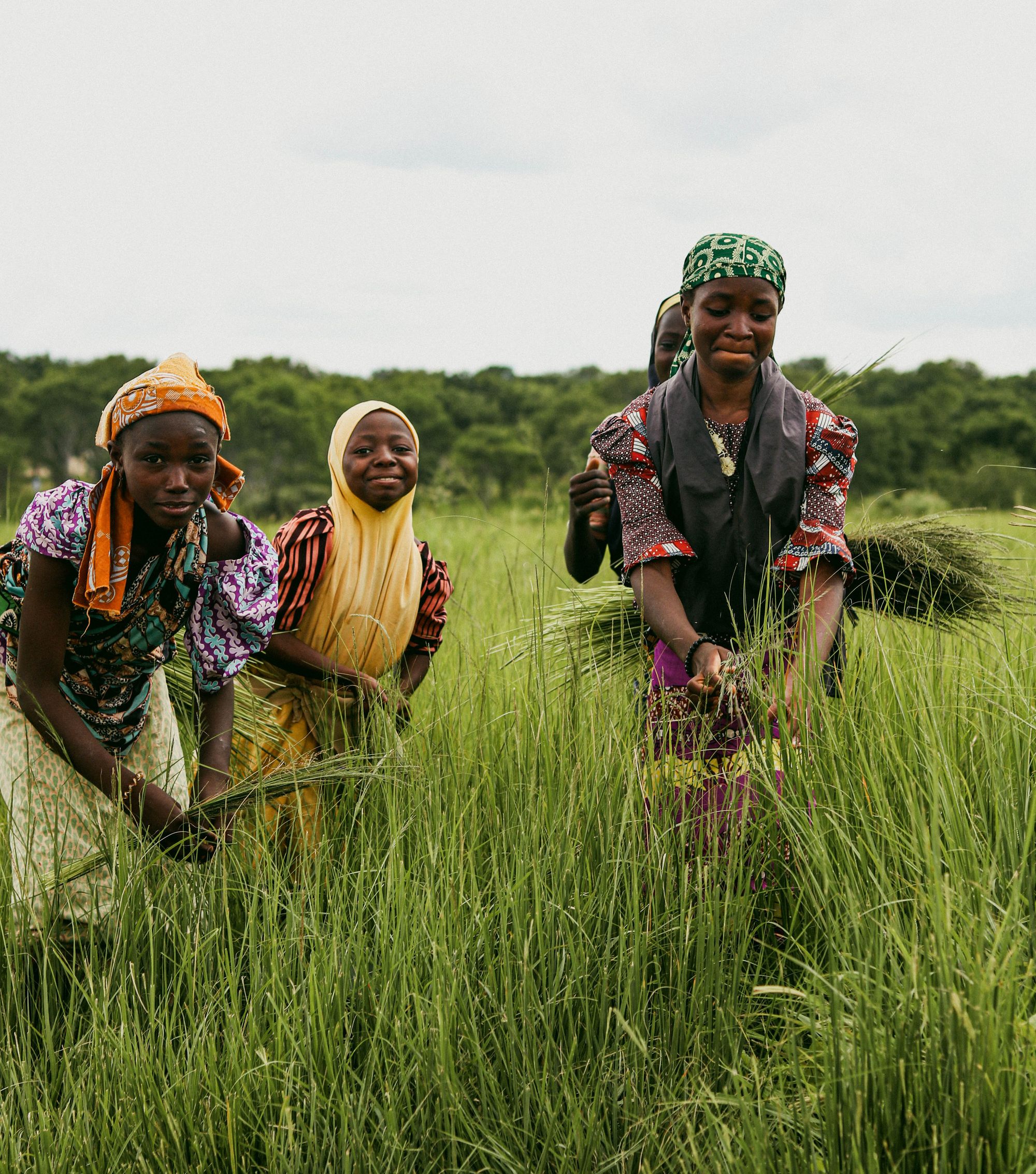
Identify the accredited entities and international partners already working in your county or country, and the programmes they are designing. Locally led adaptation initiatives, small grants windows, and devolved county climate funds can be more accessible than global funds. Build relationships before calls are published.
Many local organisations first access climate finance as implementing partners in larger programmes. Delivering well in that role builds the track record that leads to larger, more direct funding later.
Find your route in
More accessible than going straight to global funds. Indicative.
Accredited entities' programmes
Governments, UN agencies and large international organisations design programmes and need local partners.
- Accessibility for local NGOs
- Typical size
- Relationship needed
Locally led adaptation windows
Initiatives designed to put money and decisions closer to communities.
- Accessibility for local NGOs
- Typical size
- Relationship needed
County climate funds
Devolved funds, for example county climate change funds in Kenya, can be closer to local organisations.
- Accessibility for local NGOs
- Typical size
- Relationship needed
Small grants programmes
Smaller, more accessible windows that build a track record.
- Accessibility for local NGOs
- Typical size
- Relationship needed
Ratings are indicative, out of five.
Get your systems ready
Climate funds apply strict fiduciary and safeguarding standards. Audited accounts, procurement and anti-fraud policies, environmental and social safeguards, and grievance mechanisms all matter. Investing in these now makes you a credible partner later.
Environmental and social safeguards deserve particular attention. Climate funds expect organisations to identify risks to people and the environment, consult affected communities and provide a way for people to raise concerns. Building these practices now prepares you for scrutiny later.
Fiduciary readiness check
Tick what is in place.
Be careful with carbon
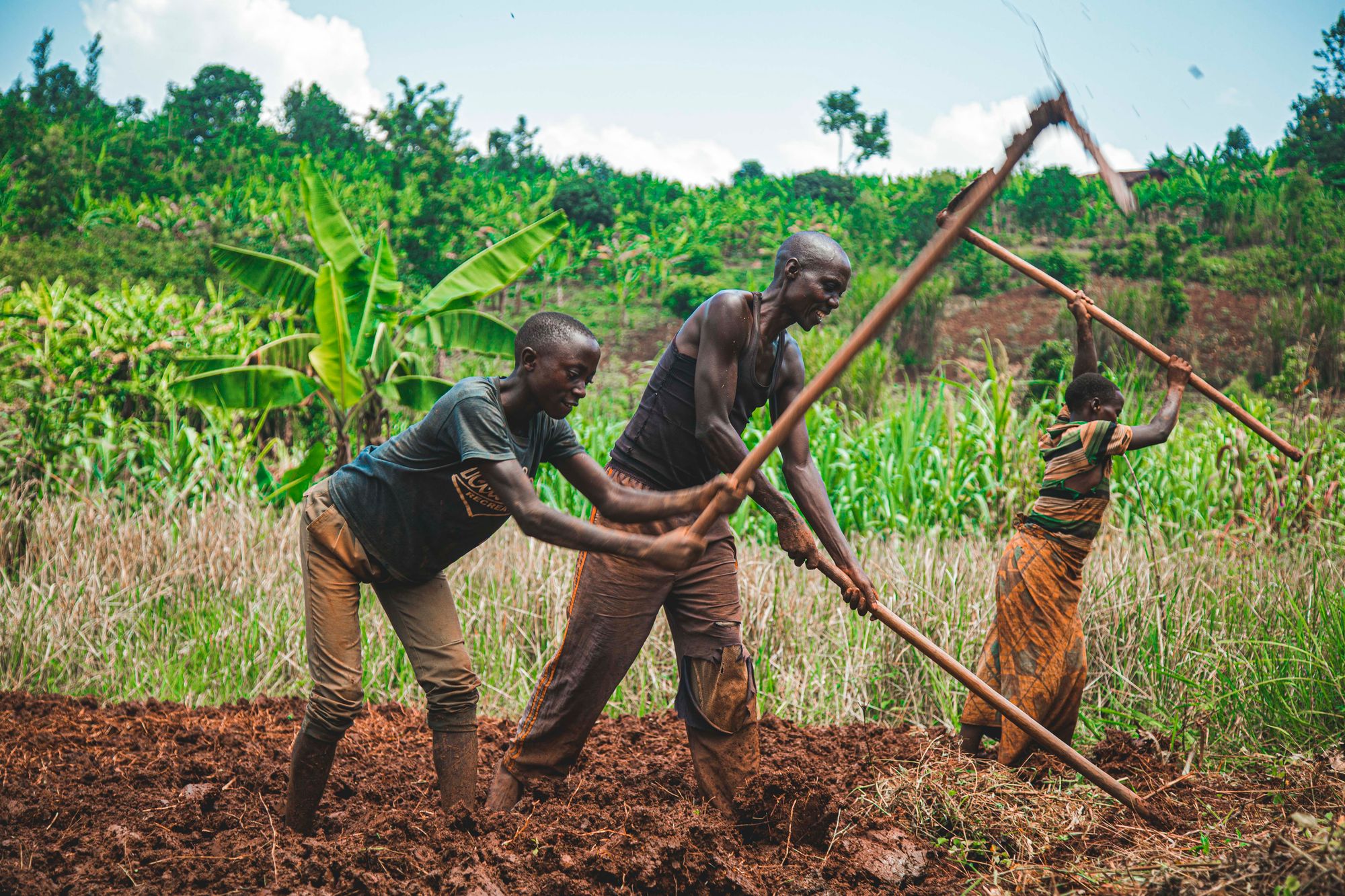
Carbon and nature credit projects can bring long term income, but they involve complex rights, benefit sharing and verification. Make sure communities give free, prior and informed consent, that benefit sharing is fair and transparent, and that you understand the contract terms before signing.
If you are approached about a carbon project, seek independent advice and talk to communities who have taken part in similar projects. Agree in writing how decisions are made and how benefits are shared before any work begins.
Be careful with carbon
Three quick questions.
01Before a carbon project starts, communities should
Consent comes first and must be genuine.02Benefit sharing should be
Communities must know what they receive and why.03Before signing a carbon contract you should
These contracts are complex and long lasting.
Key takeaways
Tap each card to reveal the idea.
- 01Tap to reveal01
Climate finance mostly flows through accredited intermediaries.
- 02Tap to reveal02
Reframe existing work in clear adaptation and resilience terms.
- 03Tap to reveal03
Build relationships with partners before calls open.
- 04Tap to reveal04
Strong fiduciary and safeguarding systems are the entry ticket.
How ready is your organisation?
Rate yourself against the key ideas in this guide. Your answers stay on this page.
01Climate finance mostly flows through accredited intermediaries.
02Reframe existing work in clear adaptation and resilience terms.
03Build relationships with partners before calls open.
04Strong fiduciary and safeguarding systems are the entry ticket.
Frequently asked questions
QCan a small NGO apply directly to a global climate fund?
Rarely. Most local organisations reach these funds through partnerships with accredited entities or through national and county level mechanisms.
QIs conservation work considered climate finance?
Often, yes. Protecting forests, wetlands and rangelands supports both mitigation and adaptation. Be clear about the climate benefit and how you measure it.
QCan local NGOs access climate finance directly?
Some funds and windows are designed for local actors, including small grants and locally led adaptation initiatives, but many large funds work through accredited entities. Partnering with them is often the first route in.
We do not hand over a document and wish you well. We stay in the room until the money moves.
Related insights

Start the conversation
Tell us what you are trying to fund and what is standing in the way. The first conversation costs nothing and usually clarifies more than a proposal would.
Book an introductory call and leave it with one clear next step, whether or not you work with us.