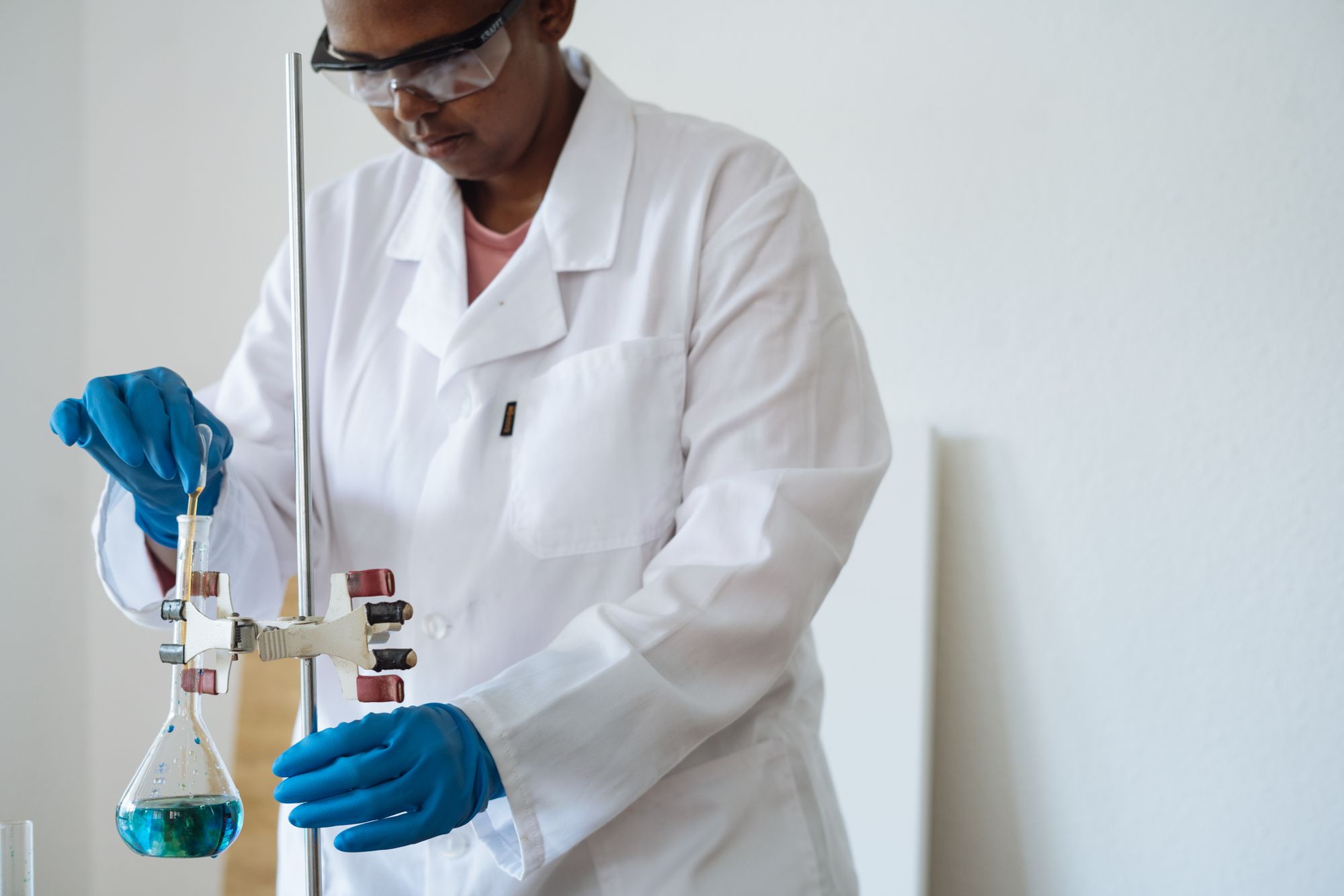
Research Partnerships: How NGOs and Universities Can Win Together
How non-profits and universities can build fair research partnerships that strengthen evidence, open new funding and turn findings into real change for communities.
Begin the storyUniversities bring research skills, credibility and access to research funding. Non-profits bring community trust, practical knowledge and a route from evidence to action. Together they can win funding neither would secure alone. But only if the partnership is designed fairly from the start.
The short version
- 01Research partners strengthen evidence and open new funding.
- 02Agree roles, budgets, data and authorship in writing early.
- 03Plan for ethics approval and community benefit.
- 04Share findings in forms practitioners and policymakers use.

Why partner
Rigorous evidence makes programmes better and proposals stronger. Research partnerships can test what works, document impact, and open doors to science, health, environment and education funders who require an academic partner.
For universities, NGO partners offer access to communities, real programmes and questions that matter in practice. Partnerships work best when both sides benefit and understand each other's pressures: publication timelines for researchers, delivery and funding for NGOs.
Agree roles and fairness early
- Decide who leads, who holds the budget and how costs, including overheads, are shared.
- Agree data ownership, publication rights and authorship before data are collected.
- Make sure communities benefit and are credited for their knowledge.
- Put the agreement in writing.
Discuss expectations openly before signing: timelines, how much staff time each side will contribute, who speaks to the media and how disagreements will be resolved. Written agreements protect relationships as well as interests.
Agree it in writing
Tick what your partnership agreement covers.
Research partners strengthen evidence and open new funding.

Respect research ethics
Research involving people needs ethical review, informed consent and data protection. In Kenya and many African countries this includes approval from a recognised ethics committee and a research permit. Build the time into your plan.
Ethical review takes time. Build realistic timelines for committee review and permits into your project plan and budget, and agree who will prepare and submit each application.
Research ethics, step by step
Build the time into your plan.
Write it
Methods, risks, consent and data protection.
Submit
To a recognised ethics committee.
Apply
In Kenya, a research licence from NACOSTI is typically required.
Inform
Informed consent from every participant.
Protect
Store and share data in line with data protection law.
Turn findings into action
Plan how results will be shared with communities, government and practitioners, not only in academic journals. Short briefs, community meetings and policy dialogues help evidence change practice.
Agree a dissemination plan at the start, including short, accessible outputs for communities and practitioners. Evidence that never leaves a journal rarely changes practice.
Turn findings into action
Pick the right format for each audience.
Short policy brief
Two to four pages for government and practitioners.
- Reach
- Effort
- Effect on practice
Community meeting
Share results with the people who took part.
- Reach
- Effort
- Effect on practice
Policy dialogue
Bring decision makers and researchers together.
- Reach
- Effort
- Effect on practice
Journal article
Credibility with academic and science funders.
- Reach
- Effort
- Effect on practice
Ratings are indicative, out of five.

Build lasting links
Invite researchers to join advisory groups, host students for placements and co-author practitioner articles. Long term relationships produce better research and stronger joint bids over time.
Keep in touch between projects: share data and questions, invite researchers to learning sessions and co-author practitioner articles. Long term relationships produce better research and stronger joint proposals.
Key takeaways
Tap each card to reveal the idea.
- 01Tap to reveal01
Research partners strengthen evidence and open new funding.
- 02Tap to reveal02
Agree roles, budgets, data and authorship in writing early.
- 03Tap to reveal03
Plan for ethics approval and community benefit.
- 04Tap to reveal04
Share findings in forms practitioners and policymakers use.
How ready is your organisation?
Rate yourself against the key ideas in this guide. Your answers stay on this page.
01Research partners strengthen evidence and open new funding.
02Agree roles, budgets, data and authorship in writing early.
03Plan for ethics approval and community benefit.
04Share findings in forms practitioners and policymakers use.
Frequently asked questions
QWho should lead a joint research bid?
It depends on the funder. Research councils often require a university lead, while development funders may prefer an NGO lead with a research partner.
QCan small NGOs partner with universities?
Yes. Universities often seek community partners with field access and local knowledge. Start with one well defined study.
QWhy should NGOs partner with universities?
Research partnerships can strengthen evidence, improve programmes, open doors to research funders and add credibility to proposals, while giving researchers access to real-world questions and communities.
We do not hand over a document and wish you well. We stay in the room until the money moves.
Related insights


Start the conversation
Tell us what you are trying to fund and what is standing in the way. The first conversation costs nothing and usually clarifies more than a proposal would.
Book an introductory call and leave it with one clear next step, whether or not you work with us.