
Ethical Storytelling: Fundraising Without Poverty Imagery
How African non-profits can tell powerful, honest stories that raise money while protecting the dignity, consent and safety of the people they serve.
Begin the storyFor decades, fundraising relied on images of suffering to move donors. Many people now find that approach disrespectful, and many donors find it tiring. Ethical storytelling shows people as the authors of their own change, and it can raise just as much money while building trust.
The short version
- 01Show people as capable, not as victims.
- 02Treat consent as an ongoing, informed process.
- 03Use first person voices and local storytellers.
- 04Put your storytelling standards into a written policy.

Put dignity first
Ask whether the person in your story would be comfortable seeing it on a billboard in their own town. Show people as active, capable and in control. Describe challenges honestly, but avoid images and words that reduce people to their hardest moment.
Ethical storytelling is also effective storytelling. Audiences increasingly reject images that portray people as helpless, and respond to stories of agency, resilience and partnership. Dignity and impact are not in conflict.
The billboard test
Would the person in your story be comfortable seeing it on a billboard in their own town?
01Which image respects dignity?
Show people as active, capable and in control.02Which caption is better?
Name, agency and action.03A survivor of violence wants to share her story. You should
Take extra care with survivors.
Consent is a process, not a form
- Explain in a language the person understands how the story and photos will be used, where and for how long.
- Make clear that saying no will never affect the services they receive.
- Take extra care with children, survivors of violence and people in crisis, and protect identities where needed.
- Let people withdraw consent and honour it.
Record consent in a simple, consistent way and store it securely, linked to each image or story. Review consent periodically for stories you use over a long time, and remove content promptly when someone withdraws.
Consent is a process
Tap through each stage.
Explain
In a language the person understands: how, where and for how long the story will be used. Saying no never affects services.
Check again
Confirm they are comfortable, and let them choose what to share.
Show them
Share the final story or photo before it is published where you can.
Honour withdrawal
Let people withdraw consent, and act on it.
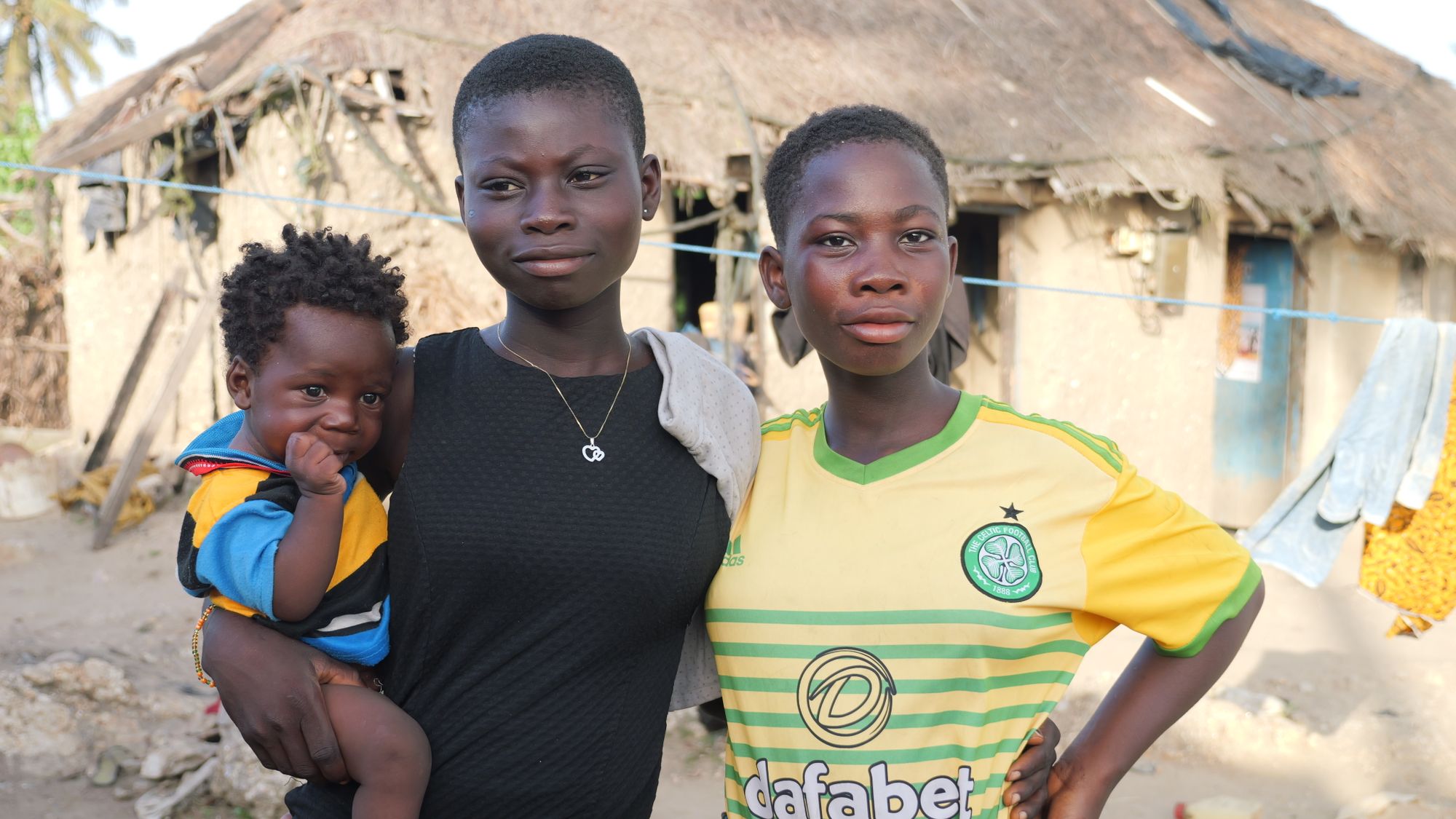
Show people as capable, not as victims.
Let people tell their own stories
Wherever possible, use first person voices, quotes and choices of what to share. Train local staff and community members in photography and storytelling. Stories told by insiders are often more powerful and more accurate.
Where people prefer not to be identified, there are many ways to tell their story: using hands or silhouettes, changing names and details, or focusing on places and objects. Protecting identity never means giving up a powerful story.
Tell the whole story
Donors respond to stories with a clear problem, a person, a turning point and an outcome. Include your organisation as a supporting role, not the hero. Show the systems and partnerships that make change last.
Check stories for accuracy with the people involved and with programme staff. Avoid exaggeration, even with good intentions. Credibility, once lost, is very hard to rebuild.
Build a story the right way
Problem, person, turning point and outcome, with your organisation in a supporting role.
Make it policy
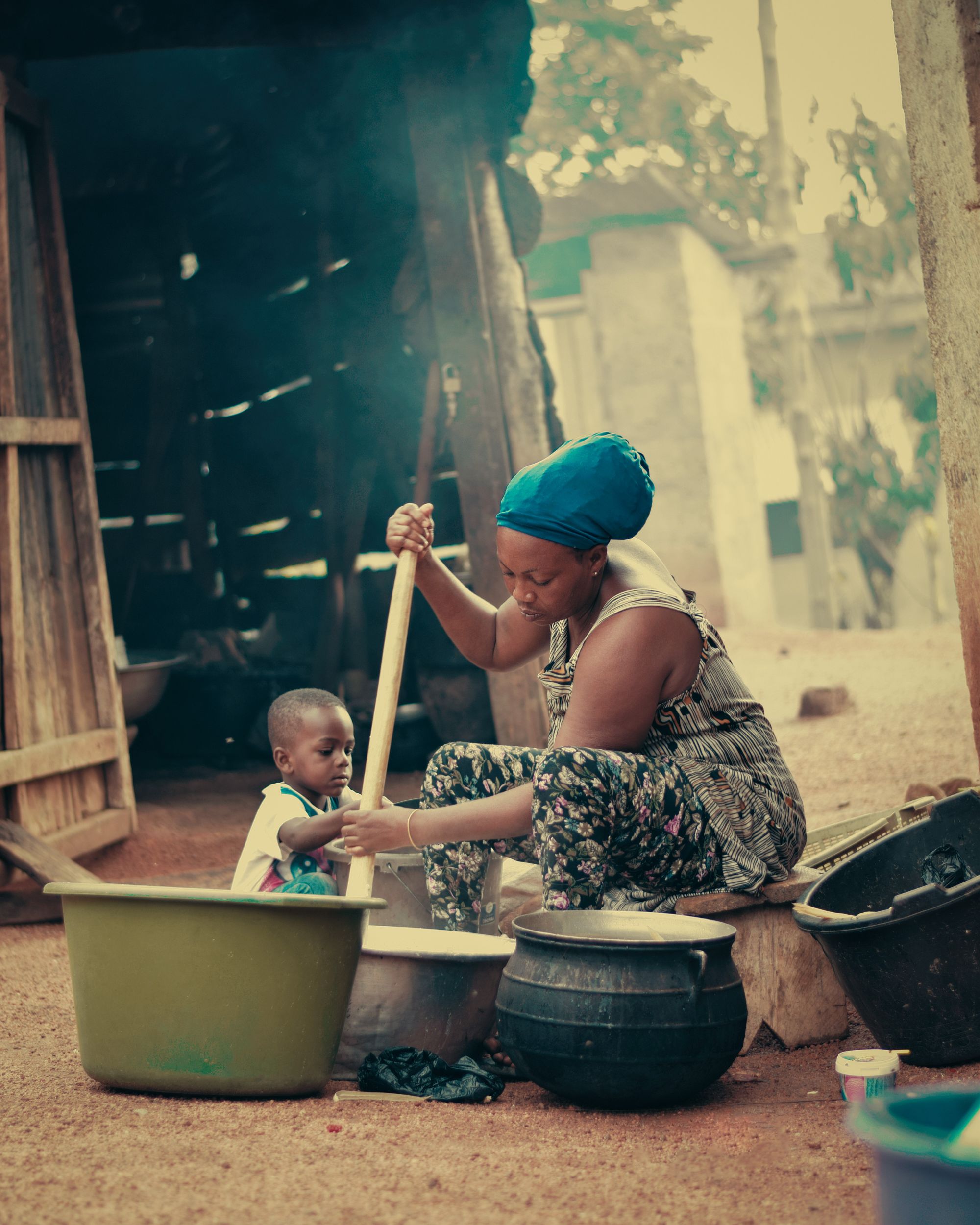
Write a short storytelling and image policy, approved by leadership, covering consent, safeguarding, data protection and how stories are stored. Share it with photographers, partners and agencies.
Train everyone who gathers stories, including partners, volunteers and agencies, in your policy. Review a sample of published content each year to check the policy is being followed.
Key takeaways
Tap each card to reveal the idea.
- 01Tap to reveal01
Show people as capable, not as victims.
- 02Tap to reveal02
Treat consent as an ongoing, informed process.
- 03Tap to reveal03
Use first person voices and local storytellers.
- 04Tap to reveal04
Put your storytelling standards into a written policy.
How ready is your organisation?
Rate yourself against the key ideas in this guide. Your answers stay on this page.
01Show people as capable, not as victims.
02Treat consent as an ongoing, informed process.
03Use first person voices and local storytellers.
04Put your storytelling standards into a written policy.
Frequently asked questions
QDoes ethical storytelling raise less money?
Not necessarily. Stories that are honest, specific and hopeful often perform well and build longer term loyalty among donors.
QDo we need written consent?
Written or recorded consent is good practice, especially for images used online. What matters most is that the person truly understands and agrees.
QWhat is poverty imagery?
Poverty imagery refers to photos and stories that portray people mainly through their suffering, often without dignity or consent, to provoke pity. Ethical storytelling avoids it by showing people as capable and in control of their own stories.
We do not hand over a document and wish you well. We stay in the room until the money moves.
Related insights

Writing a Case for Support Funders Actually Read
Read article →
Social and Behaviour Change Communication: Lessons for Development Programmes
Read article →
Monthly Giving in Kenya: Building Regular Donor Income with Mobile Money
Read article →Start the conversation
Tell us what you are trying to fund and what is standing in the way. The first conversation costs nothing and usually clarifies more than a proposal would.
Book an introductory call and leave it with one clear next step, whether or not you work with us.